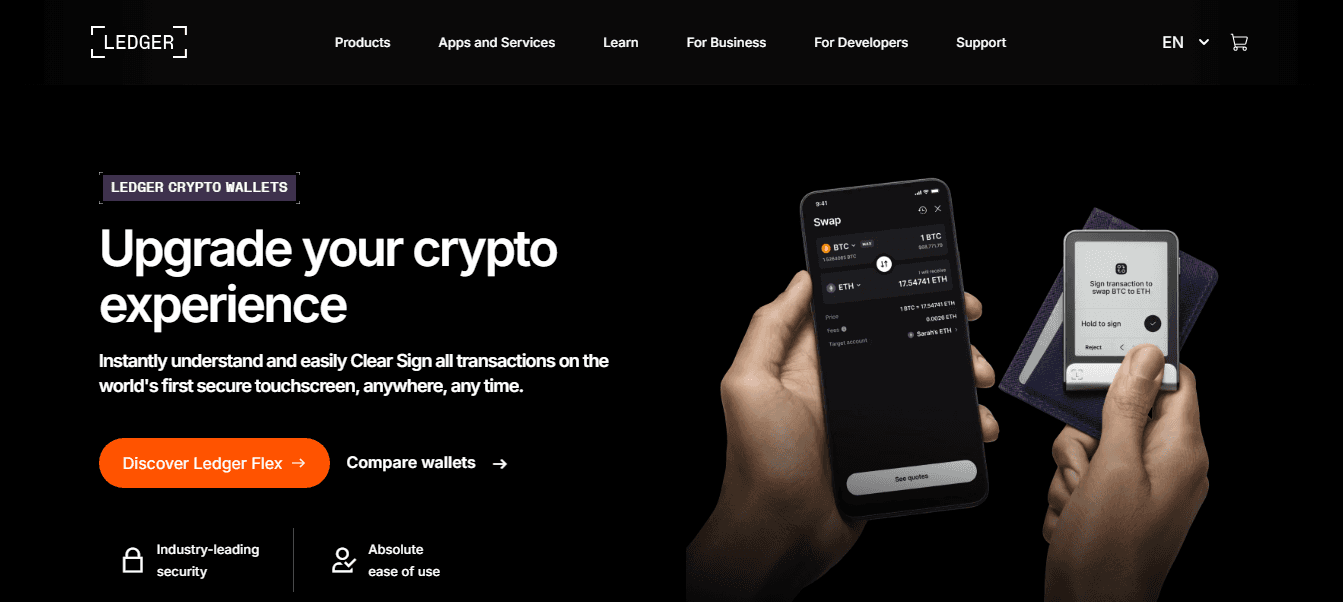
INTRODUCTION TO LEDGER LOGIN
Ledger login is the access process that allows users to interact with their Ledger hardware wallet through the Ledger Live application. As more users enter the crypto world, security becomes a priority, and Ledger stands out as one of the most trusted cold-storage solutions available. Ledger login ensures that only the real device owner can authorize access, perform transactions, or make changes to their wallet setup.
Understanding how the Ledger login process works is essential, especially if you are new to cryptocurrency. Unlike conventional online accounts, Ledger does not use passwords stored on servers. Instead, everything revolves around your physical hardware wallet, your PIN, and the secure interface provided by Ledger Live. This guide explains the process from beginner concepts to advanced insights in a clear, long-form format.
============================================================
WHAT IS LEDGER?
Ledger is a hardware wallet company that offers offline, secure devices such as the Ledger Nano S Plus, Ledger Nano X, and Ledger Stax. These wallets store your private keys offline, ensuring that hackers cannot access your cryptocurrency unless they physically control your device and know your PIN.
Ledger login is part of a much larger ecosystem built around:
Hardware-based private key security
Ledger Live application for managing crypto
Firmware verification
Cryptographic authentication
Asset diversification and staking
With Ledger, your private keys never leave the device, making it one of the safest solutions for long-term crypto storage.
============================================================
WHY LEDGER LOGIN MATTERS
Ledger login is not a typical username/password system. Instead, it uses your hardware wallet to authenticate access. This method drastically reduces risks, including:
Password theft
Keyloggers
Phishing attempts
Remote hacking
Because login requires physical confirmation, attackers cannot access your funds—even if they have your computer or Ledger Live installed. This is why Ledger login is one of the strongest user authentication systems in the crypto space.
============================================================
HOW LEDGER LOGIN WORKS
To understand Ledger login, you must understand the interaction between:
The Ledger Live application
Your Ledger hardware wallet
The PIN verification on your device
Cryptographic checks performed during login
Once the device is unlocked and connected, Ledger Live safely displays account information, allowing users to manage assets with guaranteed security.
============================================================
STEP-BY-STEP LEDGER LOGIN GUIDE
STEP 1 — Install or Open Ledger Live
Ledger login begins by downloading the Ledger Live application from the official source. Once installed, launch the app. The interface displays your portfolio, accounts, settings, and more.
STEP 2 — Connect Your Ledger Device
Use the USB cable included with your device.
Ledger Nano X users may also log in via Bluetooth on mobile devices, although USB is recommended for stability.
STEP 3 — Enter Your Ledger Device PIN
Your hardware wallet requires a PIN to unlock.
You must enter this PIN directly on the device, not on the computer. This prevents malware or keylogging from capturing sensitive information.
STEP 4 — Open the Relevant App on Device (if required)
Ledger Live may instruct you to open a specific app on your device (e.g., Bitcoin, Ethereum).
You navigate through the wallet using the hardware buttons.
STEP 5 — Ledger Live Synchronizes Your Wallet
Once your device is authenticated, Ledger Live syncs your accounts with the blockchain. The login is now complete, and you can begin managing cryptocurrency securely.
============================================================
FEATURES AVAILABLE AFTER LEDGER LOGIN
After logging in, Ledger Live offers a variety of features designed for both beginners and experienced crypto users:
Portfolio tracking
Buying and selling assets
Staking coins
Token swapping
NFT viewing and management
Ledger Manager apps
Multi-crypto account support
Secure transaction signing
Every action requires device confirmation, adding another layer of protection.
============================================================
SECURITY LAYERS BEHIND LEDGER LOGIN
Ledger login is one of the most secure authentication systems in the crypto industry. Here are the core security pillars:
1. Offline Private Key Storage
Your private keys remain in the hardware wallet, not in Ledger Live.
2. PIN Protection
Your device becomes inaccessible without the correct PIN.
3. Physical Transaction Verification
Every transaction must be confirmed on the device screen.
4. Anti-Tampering Checks
Ledger devices verify firmware integrity on each reboot.
5. Secure Element Chip Technology
Ledger uses a certified Secure Element chip designed to resist physical attacks.
These layers ensure the login process provides the highest level of user protection.
============================================================
COMMON LEDGER LOGIN ISSUES AND THEIR FIXES
Even though Ledger is highly reliable, some users may face login issues. Here are common problems and solutions:
ISSUE: Ledger Live Not Detecting Device
Possible causes:
Faulty USB cable
Unsupported USB port
Outdated Ledger Live version
Device not unlocked
Solution:
Use original cable
Try different port
Restart computer and device
Update Ledger Live
ISSUE: Incorrect PIN
Entering the wrong PIN three times will reset your device.
Always enter carefully and avoid distractions while typing.
ISSUE: Bluetooth Connection Failure (Nano X)
Fixes:
Turn Bluetooth off/on
Restart Ledger device
Keep device close to phone
Remove interference from other apps
ISSUE: Ledger Manager Access Denied
Solution:
Ensure “Ledger Manager” is allowed in device settings
Reconnect device
Open device dashboard
ISSUE: App Sync Stuck
Fix:
Clear cache in Ledger Live settings
Restart app
Reinstall Ledger Live if needed
============================================================
BEST PRACTICES FOR SAFE LEDGER LOGIN
To maximize security while using Ledger:
Always download Ledger Live from the official source
Keep your recovery phrase offline and secure
Never enter your seed phrase into Ledger Live
Use strong local device security (password/biometrics)
Enable Ledger Live’s app lock feature
Avoid logging in on shared or public computers
Verify every transaction on your device screen
Following these steps significantly lowers risk while handling crypto assets.
============================================================
ADVANCED LEDGER LOGIN TIPS
Experienced users can benefit from deeper functionality:
1. Use Ledger with Full Node Wallets
Improves privacy by avoiding third-party servers.
2. Create Multiple Accounts for Organization
Segment long-term holdings, trading funds, and staking wallets.
3. Use Ledger with Web3 Apps
Connect via supported wallets like MetaMask while keeping keys offline.
4. Monitor Device Firmware
Always keep firmware updated for maximum security.
============================================================
LEDGER LOGIN VS OTHER CRYPTO LOGIN SYSTEMS
A comparison of Ledger login with other wallet login methods:
Software Wallet Login
Password-based
Private keys stored locally
Vulnerable to malware
Easy, but lower security
Exchange Login
Username + password + 2FA
Exchange controls your crypto
Convenient
Higher risk if exchange is compromised
Ledger Hardware Wallet Login
Requires physical device
PIN-based
Private keys stay offline
Strongest combination of convenience + security
Ledger clearly provides the safest login method for cryptocurrency management.
============================================================
FREQUENTLY ASKED QUESTIONS ABOUT LEDGER LOGIN
Q1: Do I need a password for Ledger login?
No. Your PIN and hardware wallet serve as your authentication.
Q2: Can someone access Ledger Live without my device?
No. They cannot log in or transact without your Ledger hardware wallet.
Q3: What if I lose my Ledger device?
You can recover your funds using your 24-word recovery phrase.
Q4: Can I use Ledger login on multiple devices?
Yes. Ledger Live can be installed on several computers or phones, but access still requires your hardware device.
Q5: Is Ledger login beginner-friendly?
Yes. The process is simple and designed for new users.